News Update :

Fruits & Benefits

Fat Soluble Vitamins

Health Foods

Showing posts with label Disease. Show all posts

7 Chronic Disease in Young Age and How to Prevent

Stroke, osteoporosis and dementia are also present not only the illness of parents. Due to changes in modern lifestyles are increasingly unhealthy, such chronic diseases can also attack from a very young age. Some types of chronic disease that can strike in young and how to prevent it are below:


1. Melanoma
After the most vulnerable: 50 years and over
Can hit from: Young late in their 20s and early

Melanoma is a type of skin cancer can be avoided by not too much sun between 10 am until 2 pm without sunscreen or Sun Protecting Factor (SPF). SPF-30 is recommended, but SPF-15 is considered sufficient to provide protection.

2. Osteoporosis
The most vulnerable age: 65 years and over
Can hit from: 50 year old and over

Osteoporosis or bone loss can be prevented by increasing intake of calcium and vitamin D, and avoiding tobacco. Regular exercise is also important, because strong muscles will help the body in order to sustain weight loss.

3. Stroke
The most vulnerable age: 65 years
Can hit from: 20 to 30 years

Once again cigarettes, including the risk factors of stroke at a young age. To prevent this, avoid smoking and eating fatty and salty, and multiply the consumption of fish that contain lots of omega 3 fatty acids. These fatty acids are good for the heart and blood vessels.

4. Breast cancer
The most vulnerable age: 45 years and over
Can hit since: teen

Regular exercise, maintaining ideal body weight remained, limiting to avoid excessive alcohol and avoiding tobacco can reduce the risk of breast cancer. Because the exact cause is unknown, then the most important early detection is done by them often feel a lump.

5. Alzheimer's
The most vulnerable age: 65 years and over
Can hit since: 40-year

Alzheimer's is one type of dementia is difficult to resist because of the effects of the aging process. But some things can be done to slow the emergence, for example, by diligent work crossword puzzles, learning a foreign language and also play music.

6. Uric acid (Gout)
The most vulnerable age: 50 to 60 years and over
Can hit since: 30-something years.

Obesity and alcohol consumption are major risk factors of gout attacks at a young age, so the weight should be controlled if you do not want to experience it. But remember, the impact of extreme diet on weight loss in a brief and can also dramatically increase the risk of uric acid crystallization.

7. Type-2 diabetes
The most vulnerable age: 40 to 50 years and over
Can hit since: kids

Distinct from type 1 diabetes which is a congenital condition, type 2 diabetes is much more likely to be prevented. The key is only 2, namely a balanced diet, low in calories and physical activity are well balanced with the intake of calories.

Bone Cancer

Bone Cancer is caused by problems in the cells that make bone. Bone cancer usually occurs in children and adolescents and is rare in adults or elderly. Bone cancer in adults is usually caused by metastasis from another tumor. Note that in adults or advanced bone cancer is different from osteoporosis - a disease characterized by the fragility of the bones due to calcium deficiency.


Bone Cancer Cause
Until now not known the exact cause of bone cancer. Medical experts can not explain why one person can have bone cancer while others do not. But clearly that the disease is not contagious and not due to heredity.

Bone Cancer Symptoms
The most common symptom is pain in the bones. In most cases, the symptoms become gradually worse over time. Initially, the pain only occurs at night or when on the move. In some cases, there is a lump on the bone or tissue around the bone.

Bone Cancer Treatment
There are various methods for the treatment of bone cancer. The best treatment is based on the type of bone cancer, the location of the cancer, how aggressive the cancer is, and whether the cancer has invaded surrounding tissue or distant (metastatic). There are three main types of treatment for bone cancer: surgery, chemotherapy, and radiation therapy. If the condition is severe, the worst is amputation.

Anemia

Every human being has the red blood cells by the millions and even billions of cells in the body. In it, there is hemoglobin that would make human blood is red. This hemoglobin functions as a medium for transport of oxygen from the lungs to body tissues.

Anemia is the result of transport will be disrupted and the patient's body tissue deficiency anemia will result in oxygen for energy. It is not surprising that symptoms of anemia is indicated by feel tired, pale, restless, and sometimes crowded.


Anemia Causes
A common cause of anemia among others, iron deficiency, intestinal bleeding, bleeding, genetic deficiency of vitamin B12, folic acid drawback, bone marrow disorders.

If a person's hemoglobin level dropped, she had anemia. To find out the deficiencies can be detected from hemoglobin levels with blood tests in the laboratory. Blood examination includes the examination of red blood cells (RBC), hematocrit, hemoglobin, white blood cell (WBC), a component of white blood cells, and platelets.

Anemia Symptoms
Symptoms are often experienced by people with anemia, among others, fatigue, weakness, lack of energy and the head was floating. If the anemia gets worse, can lead to stroke or heart attack.

Anemia Treatment
People with anemia can take iron supplements to restore the deficiency of red blood cells. In addition, vitamin B12 is also needed. A last resort if it has reached the stage of acute anemia is a blood transfusion.

Listeria Infection

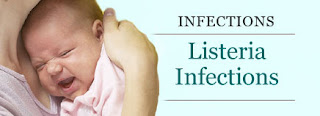
Listeria infection is a foodborne illness that can be very serious for pregnant women and people with impaired immune systems. Listeria infections most commonly acquired from eating processed meat and unpasteurized dairy products.

Healthy people rarely become ill from listeria infection, but this disease can be fatal to unborn babies and newborns. People who have weakened immune systems are also at higher risk of life-threatening complications. Antibiotic treatment can help treat the infection with listeria.

Listeria bacteria can survive in the cooling or freezing cabinets. People who are at high risk for serious listeria infections should avoid eating foods most likely to contain listeria bacteria.


Listeria Infection Causes
Listeria bacterium found in soil, water, and animal waste. Humans usually become infected by eating:
1. Raw vegetables that have been contaminated from soil or from manure used as fertilizer contaminated
2. Infected meat
3. Milk or unpasteurized food
4. Certain processed foods, such as soft cheeses, hot dogs and processed meats that have been contaminated after processing

Unborn baby can become infected with listeria from the mother through the placenta. Breastfeeding is not considered a potential cause of listeria infection.

Listeria Infection Symptoms
If developing a listeria infection may experience symptoms such as:
1. Fever
2. Muscle pain
3. Nausea
4. Diarrhea

Symptoms may begin several days after eating contaminated food, but may take as long as two months before the first signs and symptoms of infection begin.
If listeria infection spreads to the nervous system, signs and symptoms include:
1. Headache
2. Stiff neck
3. Confusion or changes in alertness
4. Loss of balance
5. Convulsions


Symptoms during pregnancy and newborn
During pregnancy, the listeria infection tends to only cause mild symptoms in the mother. Infants may die suddenly before birth or experiencing life-threatening infections in the first few days after birth.
As in adults, signs and symptoms of listeria infection in newborns can be mild, but may include:
1. Little interest in eating
2. Irritability
3. Fever
4. Throw up

Listeria Infection Treatment
Listeria infection treatment varies, depending on the severity of signs and symptoms. Most people with mild symptoms not requiring treatment. More severe infections can be treated with antibiotics. During pregnancy, rapid antibiotic treatment can help prevent infection in infants. Newborns who have Listeria infection can receive a combination of antibiotics.

Naegleria Infection

Naegleria infection is rare and usually fatal condition caused by an amoeba commonly found in freshwater lakes, rivers and hot springs. Exposure occurs during swimming or other water sports. Amoeba called Naegleria fowleri can travel from the nose to the brain, where it can cause severe damage. Most people who have been exposed to Naegleria infection can die within a week. Millions of people exposed to Naegleria amoeba that causes infections each year. Treatment with certain drugs may be successful if given early enough to Naegleria infection.


Naegleria Infection Cause
Naegleria infection is caused by Naegleria fowleri amoeba, which is commonly found in freshwater throughout the world. This amoeba is also sometimes found in soil.

Amoeba enters the body through the nose, through contaminated water or dust, and to travel to the brain through the nerves that transmit the sense of smell.

Why do some people become infected after exposure and others do not is unknown.

This amoeba is not spread from person to person or by drinking contaminated water. Swimming pool is cleaned and disinfected properly does not contain the amoeba Naegleria.

Naegleria Infection Symptoms
Naegleria infection causes a disease called primary amebic meningoencephalitis. The disease causes inflammation of the brain and damage brain tissue.

Generally begin within 1 or 2 weeks exposed to the amoeba, Naegleria infection signs and symptoms may include:

1. Changes in the sense of smell or taste
2. Fever
3. Sudden headache
4. Stiff neck
5. Sensitivity to light
6. Nausea and vomiting
7. Confusion
8. Loss of balance
9. Drowsiness
10. Convulsions
11. Hallucinations

Signs and symptoms can develop rapidly, and usually can lead to death within 3-7 days.

Naegleria Infection Treatment
Naegleria infection most difficult to successfully treat. Only a handful of people who survive.

The main treatment for Naegleria infections is amphotericin B, usually injected into a vein (intravenously) or into the space around the spinal cord to kill the amoeba.

Cellulitis

Cellulitis is a serious bacterial infection of the skin are common. Cellulitis appears as a red swollen area on the skin that feels hot and tender, and can spread rapidly. The skin on lower legs are most often affected, though cellulitis can occur anywhere on the body or face.

Cellulitis can only affect the skin or surface, can also affect tissues below the skin's can spread to the lymph nodes and bloodstream. If left untreated, the infection can spread rapidly. Therefore, it is important to seek medical care immediately if symptoms of cellulitis occurred.


Cellulitis Cause
Cellulitis occurs when one or more types of bacteria enter through cracks in the skin. Two types of bacteria that most commonly cause cellulitis are streptococcus and staphylococcus. Incidence of staphylococcus infections are more serious methicillin-resistant Staphylococcus aureus called (MRSA).

Although cellulitis can occur anywhere on the body, the most common location is the lower leg. Area of ​​skin that is often disrupted, as the last ever surgery, wounds, stab wounds, ulcers, or dermatitis. Because the piece is the most likely areas for bacteria to enter. Several types of biting insects or spiders can also transmit the bacteria. The area is dry, flaky skin can also become an entry point for bacteria.

Cellulitis Symptoms
Possible signs and symptoms of cellulitis include:
1. Redness
2. Swelling
3. Soft
4. Painful
5. Warm
6. Fever

Changes in the skin may be accompanied by fever. Over time, the redness tends to expand. Small red spots may appear on reddened skin.

Cellulitis Treatment
Treatment of cellulitis may involve the prescription of oral antibiotics. Need to consult again with your doctor if after 1-3 days to start antibiotics to ensure that the infection responds to treatment. Consumption of antibiotics is usually up to 14 days. In most cases, signs and symptoms of cellulitis disappear after a few days.

If in a few days after taking antibiotics is widespread or if you have high fever, may need to be hospitalized and receive antibiotics through a vein (intravenously). Usually, doctors prescribe drugs that are effective against both streptococci and staphylococci. Your doctor will choose an antibiotic according to the patient's condition.

Oppositional Defiant Disorder (ODD)

If a child or teenager has a very strong pattern of anger, rage, arguing, and angry behavior, may have oppositional Defiant Disorder (ODD). As a parent, do not have to do it alone in trying to manage the child with the disorder. Doctors, counselors and child development experts can help.

ODD involves a therapeutic treatment, training to help build a positive family interactions, and perhaps medications to treat conditions associated with mental health.


ODD Cause
There is no obvious cause of ODD is unknown. The cause of ODD may be a combination of hereditary and environmental factors, including:

1. Disability or developmental delay in a child's ability to process thoughts and feelings.
2. Lack of supervision.
3. Inconsistent or harsh discipline.
4. Breach or negligence.
5. Imbalance of certain brain chemicals, like serotonin.


ODD Symptoms
It may be difficult to recognize the difference between a strong-willed child with ODD or emotional. It is normal to show oppositional behavior at a certain stage of development. ODD signs usually begin before a child is 8 years old.

ODD can sometimes appear later, but almost always before puberty early. When developing ODD behavior, signs began to appear gradually, and then gets worse with age.

Children may show signs of ODD and not classified in the normal moodiness if you have the behavior, among others:
1. Persistent
2. Has lasted at least 6 months
3. Disrupt the family, home or school

The following are behaviors associated with ODD, among others:
1. Negative
2. Challenge
3. Insubordination
4. Hostility directed at authority figures yan

This behavior can cause children to have regular and consistent behavior, among others:
1. Anger
2. Being argumentative with adults
3. Refuse to comply or request an adult
4. Intentionally interfere with another person
5. Blaming others for mistakes or mischief
6. Sensitive and easily distracted
7. Anger and hatred
8. Spite or revenge
9. Acting aggressive towards peers
10. Have difficulty maintaining friendships
11. Have academic problems
12. Feeling low self-esteem

ODD Treatment
Treating ODD typically involves several types of psychotherapy and training for children. Treatment often lasts for several months or more. Pillar of treatment for ODD typically include:

1. Individual therapy and therapeutic
2. Therapeutic interaction between parent and child
3. Cognitive training
4. Social skills training
5. Training for parents

ADHD

ADHD is attention deficit disorder or attention deficit / hyperactivity disorder or mental disorder that causes inattention, hyperactivity and impulsive behavior. This disorder can occur in adults and children alike.


ADHD Causes
1. Changes in brain function and anatomy.
A brain scan revealed a significant difference in the structure and brain activity in people with ADHD.

2. Descent.

3. Smoking, drug use and exposure to toxins during pregnancy.
Pregnant women who smoke, drink alcohol or use drugs at high risk of having children with ADHD. Likewise with women exposed during pregnancy to environmental toxins such as polychlorinated biphenyls (PCBs).

4. Children are often exposed to environmental toxins.
Children pre-school age who are exposed to certain toxins are at risk of developmental and behavioral problems. Usually these chemicals found in paint and pipes of an old building.

ADHD Symptoms
1. Difficulty focusing or concentrating
2. often restless
3. impulsive
4. Difficulty completing a task
5. disorganization
6. Mood often changes
7. irritability
8. Difficulty coping with stress
9. Relationships with others is not stable


ADHD Treatment
The best treatment for people with ADHD have not been found. Usually combined between the use of stimulant medications such as methylphenidate (Ritalin, Concerta, Daytrana, Metadate) and psychological therapy.

Rickets

Rickets is a disease of growing bone is characterized by the failure of calcium to be stored in the bones. So the bones become soft and easily broken or changed its form. Because the disease is the bone that is growing, it only occurs in children. But if left untreated it will continue into adulthood.


Rickets Clinical Symptoms
There are several symptoms and signs in rickets:
* In infants, can be found a state of spasm, stiffness, slow physical growth, weakness, and failure to thrive.
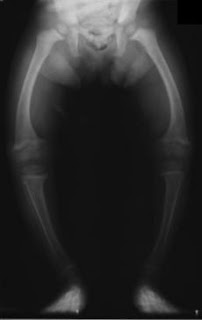
* In children who have started walking, can be found such a state of deformity of the foot bones, especially such as genu varum (knee bending towards the outside like a bow shape) or genu vakgum (second meeting of the knee if the leg straightened out, knees bent toward the inside).

Rickets Management
MDs approach can be taken to correct the abnormalities of bone that occurs. But if the underlying (calcium deficiency) are not corrected, then the bone abnormalities that have been corrected can be changed back. If bone abnormalities that occur are not so severe, it can be used a tool called a splint is used at night. Splint is intended to correct slowly kelaianan bones (genu varum, genu valgum) are there. If bone abnormalities that occur, including severe category, then it can be taken osteotomy (bone cut) so that near-normal shape.

Rickets Cause
Vitamin D is needed for calcium absorption from the gut. So if your body is deficient in vitamin D, calcium is not absorbed from the intestine, causing hypocalcemia (lack of calcium in the blood) that will eventually lead to deformity (deformity) of bones and teeth as well as other symptoms such as seizures, growth terganggua, and limp. Other causes of rickets are genetic. It is known that the disease rickets can be inherited from parents. It is known that sunlight plays an important role on the formation of vitamin D in our bodies. Thus there are several risk factors that may increase the incidence of rickets, namely:

* Babies who breastfeed from mothers who are rarely exposed to sunlight
* Babies who are rarely exposed to sunlight
* Symptoms and other signs that can be found is hypocalcemia, soft skull, swelling kostokondral (rachitic Rosary) and the wrist.

Rickets Additional Inspection
Additional checks can be done is to check levels of calcium and alkaline phosphatase in the blood. Can be found that calcium levels in patients with rickets were below normal, while levels of alkaline phosphatase is usually increased. In addition, to diagnose rickets bone x-ray examination can be done. In this examination, can be seen that the reduced bone density, especially in the epiphyseal bone (the bone growth)

Rickets Prevention
The basis of this disease is a deficiency of calcium. So to prevent calcium deficiency, can do a variety of efforts such as by eating foods that contain lots of calcium, foods that contain lots of vitamin D, and more frequent exposure to sunlight (especially early morning hours around the clock 7 to 10). Vitamin D is important because it serves to help the absorption of calcium from the intestine, while the sun is important for the formation of vitamin D.

Norovirus Infection

Norovirus infection can cause severe diarrhea and vomiting. Noroviruses are the leading cause of gastrointestinal illness in closed and crowded environments, such as hospitals, nursing homes, and cruise ships. Usually, people with norovirus infection develop diarrhea and abdominal pain and began vomiting within 24-48 hours of exposure. Norovirus symptoms can last several days, but most people recover fully without treatment. But in some people, especially infants, adults, and people with underlying disease, vomiting and diarrhea can cause dehydration and require medical attention. Infection is highly contagious norovirus. Noroviruses generally spread through food or water contaminated by feces. Norovirus infection can also spread through close contact with an infected person, for example if you live in a nursing home.


The cause of Norovirus Infection
Noroviruses are highly contagious through the feces of infected humans and animals. Oysters, salad, and raspberries can be a food that is responsible for the outbreak. Infected people can transfer the virus to any food product just before serving. Methods of transmission include: 1. Eating contaminated foods 2. 3 Drinking water contaminated. Touching hand to mouth after hand contact with contaminated surfaces or objects Noroviruses are difficult to eradicate, because the virus could be resistant to heat and cold temperatures, as well as disinfectants.

Norovirus Infection Symptoms
Signs and symptoms of norovirus infection include: 
1. Nausea 
2. Vomiting 
3. Abdominal pain 
4. Stomach cramps 
5. Diarrhea 
6. Weight loss 
7. Bad taste 
8. Mild fever incubation period for norovirus infection usually 24-48 hours after the first exposure to the virus. Signs and symptoms usually last 1-3 days. Some people with norovirus infection may not show signs or symptoms. However, such persons can transmit norovirus and may unwittingly spread the virus to others.

Norovirus Infection Treatment
There is no specific treatment for norovirus infection, and recovery generally depends on the health of the immune system. At most, the disease usually resolves within a few days. The main factor is to replace lost fluids. If you do not drink enough fluids to prevent dehydration, may need to receive fluids intravenously. Sources: MayoClinic

Parvovirus Infection

Parvovirus infection is a common childhood disease and highly contagious, which is characterized by distinctive facial rash that develops. In most children, parvovirus infection is quite mild and require little maintenance. However, parvovirus infection in some pregnant women can cause serious health problems for the fetus. Parvovirus infection is also more serious for people with some types of anemia or who have immune system is low enough.


Parvovirus Infection Cause
Human Parvovirus B19 causes Parvovirus infection. This is different from Parvovirus infection seen in dogs and cats, so it can not get an infection from pets or otherwise. Parvovirus infection in humans is most common among primary school age children during an outbreak in the winter and spring, but anyone can become ill at any time throughout the year. Spread from person to person, such as runny nose, often through respiratory secretions and from hand to hand contact. The disease is contagious in the week before the rash appears. Once the rash appears, the person with the disease is no longer considered contagious and does not need to be isolated.

Parvovirus Infection Symptoms
Most people with Parvovirus infection have no signs or symptoms. When symptoms occur, the symptoms can vary widely based on age. Early signs and symptoms of parvovirus infection in children may include:
1. sore throat
2. slight fever
3. stomach upset
4. headache
5. fatigue
6. itchy


Parvovirus Infection Treatment
For parvovirus infection is not complex, self-care at home is generally sufficient. People with severe anemia may need to be hospitalized and receive blood transfusions. People who have weakened immune systems may receive the antibody, through the injection of immune globulin, to treat the infection. Sources: MayoClinic

Rubella

Rubella, also called German measles or three-day measles, is a contagious viral infection of the skin. Rubella is not equal to measles (rubeola), though the two diseases do share several characteristics, including a red rash on the skin.


Causes of Rubella
The disease is caused by Rubella virus.

Rubella Symptoms
The signs and symptoms of rubella, especially in children, is often so mild that it is difficult to see. If signs and symptoms occur, they usually appear between two and three weeks after exposure to virus. Rubella usually lasts about two to three days and the symptoms are as follows:
* Low-grade fever with a temperature of 38.9 degrees centigrade or lower
* Headache
* Nasal congestion or runny nose
* Sore, red eyes
* Pink rash that begins on the face of rapidly spreading to your back and then the arms and legs
* Joint pain, especially in younger women

Rubella Treatment
There is no treatment for rubella infection shortening. Symptoms are usually very mild, usually not needed. However, doctors often recommend to isolate the patient from others - especially pregnant women - during the period of infection.

Apoplexy

Apoplexy is uncontrolled bleeding that resulted in loss of consciousness and paralysis of various parts of the body. For example, adrenal apoplexy is bleeding into the adrenal gland, pituitary apoplexy is bleeding into the pituitary gland, and so on.

The term apoplexy (with no specific organs) often refers to bleeding into the brain. Conditions such as subarachnoid hemorrhage or stroke is sometimes called apoplexy.


Apoplexy cause

Apoplexy can occur if too much blood in the brain. This is called a hemorrhagic stroke. Hemorrhagic stroke occurs when blood vessels in the brain ruptures or leaks due to the onset of other diseases, such as high blood pressure and aneurysm. Intracerebral and subarachnoid hemorrhage are two examples of this type of stroke.

Apoplexy can also occur if too little blood in the brain. This is an ischemic stroke and causes the brain cells that are dead can not be replaced. Eighty percent of cases of apoplexy fell on this group.


Apoplexy symptoms
Common symptoms are:
* Headache
* The ability to see
* Keculitan talk
* Motor control
* nausea
* Mental effects

Apoplexy treatment
Apoplexy is the leading cause of disability and the third cause of death in the United States (U.S.). This condition is considered a medical emergency and requires immediate treatment to prevent or minimize serious damage.

Although depending on the type of stroke and the brain is attacked, this condition can cause irreversible brain damage and disability sustained. Serious attacks can cause permanent paralysis on one side of the body or affect the ability of such speech, movement and memory. While some patients recover completely, two-thirds of the victims suffered from epileptic attacks from some form of disability.

Rhinitis Allergy

About Rhinitis
Rhinitis is a medical term for irritation and inflammation of the mucous membrane inside the nose. Common symptoms of rhinitis are a stuffy nose, runny nose, and post-nasal drip.The most common kind of rhinitis is allergic rhinitis,which is usually triggered by airborne allergens such as pollen and dander.Allergic rhinitis may cause additional symptoms, such as sneezing and nasal itching, coughing, headache, fatigue, malaise, and cognitive impairment.The allergens may also affect the eyes, causing watery, reddened or itchy eyes and puffiness around the eyes. Rhinitis allergy is a common disease that can strike anyone, any age. This disease can be cured within a few years but for life and can also tends to be lowered.wikipedia


Rhinitis Allergy Sings and Symptoms
The nose is sometimes very susceptible to stimuli ranging from dust, pollen, cigarette smoke, perfume, hair and animal dander, certain foods and changes in the air. Allergic reactions occur in the form of inflammation and excessive discharge.

Allergic rhinitis is classified by:
1. Symptoms duration, allergic rhinitis is divided into:
- Intermittent: symptoms less than 4 days per week and duration less than 4 weeks
- Persistent: symptoms more than 4 days per week and duration more than 4 weeks

2. Based on the symptoms, allergic rhinitis is divided into:
- Mild (normal sleep, daily activities, sports and leisure as normal, no complaints are annoying)
- Weight (one or more symptoms, disturbed sleep, daily activities, sport and leisure while impaired, at work and school, there were complaints that disturb)

Rhinitis Allergy Treatment
  • Medical. Medical treatment depends on the length and severity of symptoms. Drug that commonly used is the antihistamines H1 generation I, generation II , and if there are symptoms of nasal congestion can be added pseudoephedrine
  • On persistent allergic rhinitis, antihistamines may be given generation II (cetirizine) long-term. If symptoms do not improve may be given corticosteroids or intranasal fluticasone for example mometason.
  • Surgery. Surgery is only performed in selective cases such as sinusitis with air-fluid level or rice septum deviation.
  • Avoid allergen

Soy Allergy

About Soy Allergy
Soy products are one of the common foods that can cause allergies in children. In many cases soy allergy starts with a reaction to a soy-based infant formula. Although most children who are allergic to soy at age 3, soy allergy may also occur in adults. In most cases the signs and symptoms of mild soy allergy. In rare cases, can cause life-threatening allergic to soy allergic reaction (anaphylaxis).


Soy Allergy Causes
Like that you can read at egg alergy, all food allergies are caused by the reaction of the immune system. The immune system identifies certain soy protein as a hazardous substance, which can trigger the production of antibody immunoglobulin E (IgE) against soy protein (allergen). When he came back to eat soy, IgE antibodies recognize it and give signals to the immune system to release histamine and other chemicals into the bloodstream.

Soy Allergy Signs and Symptoms
  • Tingling in the mouth
  • Itching, eczema
  • Swelling of the lips, face, tongue and throat, or other parts of the body
  • Wheezing, runny nose or difficulty breathing
  • Abdominal pain, diarrhea, nausea or vomiting
  • Dizziness, lightheadedness or fainting

The only way to prevent allergic reactions is to avoid soy and soy protein at all. Drugs, such as antihistamines, may reduce signs and symptoms of soy allergy. These drugs can consumed after developing allergies to soy or control the reaction and help relieve the discomfort caused by allergies.

Egg Allergy

About Egg Allergy
All food allergies are caused by the reaction of the immune system. The immune system identifies certain egg proteins as harmful substances, which can trigger the production of antibody immunoglobulin E (IgE) to neutralize the protein (allergen). When he came back to eat soy, IgE antibodies recognize it and give signals to the immune system to release histamine and other chemicals.

Egg allergy is one of the most common food allergy occurs mainly in children. As adults, most allergic to eggs will be lost, but a small part of this allergy will persist. Egg allergy symptoms are basically the same as the symptoms caused by other food allergies. Most people will experience only a mild reaction but can also show severe symptoms in some people who are very sensitive. Egg allergy symptoms the most common is the onset of eczema. Eczema is a skin problem that often occurs in children. Egg allergies can also cause itching. Reaction hives usually appear quickly and will disappear by itself after a few days.

Egg Allergy Causes
Causes of egg allergy associated with the human immune system. Eggs that consumed will be identified by the immune system as foreign things and makes an overreaction. The immune system release histamine and other chemicals to fight zan eggs that go into our bodies. Egg has two basic parts, namely, the egg yolks and whites of eggs. Which becomes the dominant factor is the risk of allergy triggers egg whites.

Egg Allergy Signs and Symptoms
Signs and symptoms of egg allergy is actually dependent on a person's immune system, there is rapid and there is a long time. Each person has vary egg allergy symptoms. These symptoms appeared after some minutes to several hours after eating eggs or foods containing eggs. Egg allergy symptoms include:
  • Skin inflammation
  • Shortness of breath.
  • Disorders of the digestive function.
  • Inflammation of the throat.
  • Watery eyes, runny nose.
Prevention
Because the eggs are very familiar with our daily lives. In fear of having an egg allergy does not understand how to prevent it. Here are some ways of preventing an egg allergy:
  • Avoid eating eggs, or foods containing eggs.
  • We recommend you read the kita buy food composition whether or not containing eggs.
  • Wait until your child is age 2 years, some research suggests this.
  • Should not eat eggs but the strict supervision by a physician.
  • Consumption of some vitamins as we know it was enough to help reduce the incidence of allergies such as Vitamin A, B, C, E.
  • Eggs are a good source of nutrition for the body, if the above instructions your doctor can not eat eggs, you should consult your doctor for an egg substitute foods nutritional value comparable to the egg.

Alzheimer, Things That You Should Know

About  Alzheimer
Alzheimer's disease is a neurodegenerative disease or a decline in brain function. Remember the people have fallen so drastically that she could take care of herself. Although the disease mostly affects the elderly, but did not rule out people who have not been able to experience it any further. Therefore, the medical world is divided into two groups of diseases. Pederita first 58 years of age not known as early onset. Both groups suffered at the age of 58 years referred to as late onset.


Alzheimer Cause
Basic cause of Alzheimer is still in the research, but genetic factors and environmental factors are 2 dominant risk factors for Alzheimer's disease. There are also allegations because PSEN1 gene mutations that cause Alzheimer.

Alzheimer Symptoms
Patients with this disease became aggressive, quick to anger, and loss of interest to interact or satisfying hobby that never interested him. Most common signs seen in Alzheimer's patients is memory loss, agitation and mood swings, disturbances in making decisions and using money, Difficulty doing light tasks and communicate, often forgotten, often repeating words or actions, Pulling away, no able to recognize family members and friends, loss of motor skills and touch, not pay attention to hygiene and body care, delusions and paranoia, Characteristically childish.

Alzheimer Treatment
Provision of medical drugs can help patient's memory. But most important is love and patience from family.

Kidney Disease

Kidney disease is a disease in which kidney function has decreased until finally no longer able to work at all in terms of screening disposal of the body electrolytes, maintain fluid balance and body chemicals such as sodium and potassium in the blood or urine production.

Kidney disease can affect anyone who suffers serious illness or injury where it impacts directly on the kidney itself. Kidney disease more often dialamai those aged adults, especially in the elderly.

A. Causes of Kidney Failure

All About Vitamins