News Update :

Fruits & Benefits

Fat Soluble Vitamins

Health Foods

Showing posts with label Vitamins. Show all posts

Vitamin In Fruits That Help Getting Back Your Energy

The high level of activity every day makes most people become susceptible to fatigue. The high level of stress or impact the use of caffeine can also cause short-term fatigue.

Fatigue not only cause sleepiness, but can also lead to more serious chronic condition in which in this case you should immediately consult a doctor. Here are some types of vitamins contained in certain fruits that can help in getting back your energy:


1. vitamin A
Give a little fruit with big benefits, because they contain lots of antioxidants and of course a source of energy. carbohydrate is the largest source of energy for the body, and the majority of calories contained in the berries come from carbohydrates.

In addition, berries such as loganberries, blueberries and boysenberries are rich vitaminn A that helps the body maintain healthy tissues, vitamin A is one of the vitamins and minerals that can help eliminate fatigue. In addition, give also rich in folic acid and vitamin C.

2. vitamin C
Vitamin C helps fight chronic fatigue by increasing endurance. Vitamin C also supports the immune system. Another positive impact of vitamin C can fight fatigue that plagued you.

It's recommended vitamin C intake of 250 milligrams to 500 milligrams twice a day to help increase energy levels. Various types of fruit such as strawberries, oranges, and guava are the best sources of vitamin C to the body. Cup full of strawberry juice contains approximately 85 milligrams of vitamin C and a medium sized orange contains 70 milligrams of vitamin C, while a cup of guava juice contains 350 milligrams of vitamin C. Other fruits also contain vitamin C, among others, passion fruit, kiwi, lemon, and grapefruit.

3. Vitamin B
Vitamin B is also a type of vitamin that can help you overcome the problems associated with psychological symptoms of fatigue, such as feelings of sadness and lack of motivation, by helping the brain to produce chemicals such as serotonin which may directly affect mood or mood.

Vitamin B is most helpful in combating fatigue include pyridoxine or vitamin B6; thiamine or vitamin B1; vitamin B5 or pantothenic acid, and biotin or B7. In addition, dr. Lark explained that the type of vitamin B copy work together to perform basic metabolic functions that regulate the level of vitality and energy of your body.


Apparently Vitamin D Could Help Overcome Vision Impaired

As you age, the elderly will experience a decrease in visual acuity. Fortunately, researchers found vitamin D can overcome these problems in the elderly. In addition, vitamin D is also useful to improve fitness and Alzheimer's block.

British researchers found vitamin D supplements could potentially be a simple and effective way to cope with aging eye diseases like macular degeneration.


Macular degeneration is a condition in which the macula (the center of the retina and into the retina of the most important) decline resulting in decreased visual acuity and can cause loss of vision.

The study used mice to demonstrate the effect of vitamin D has been seen in just six weeks. Scientists believe many people in developed countries vitamin D deficiency is thought to be important in maintaining the flow of blood supply to the retina.

Professor Jeffrey Glen of the Institute of Ophthalmology at University College London, who led the research explains the small blood vessels that supply blood to the retina is blocked by small molecules over time, causing inflammation.

"In humans, this can lead to decrease in the number of cells in the recipient's eyes light up to 30 percent when aged 70 years and lead to decreased vision," said Prof. Jeffrey, as reported by The Telegraph, Wednesday (01/18/2012).

However, when one year old rats supplemented with vitamin D and injected with safflower oil containing 0.9 micrograms of vitamin D every three days, the accumulation of toxic molecules called beta amyloid is reduced. The mice were also increased vision capabilities.

The researchers found the idea after examining other findings that suggest that vitamin D may reduce the buildup of amyloid plaques in the brain. Stacking is known to be associated with the development of Alzheimer's disease.

Rats fed supplements also experienced a reduction of amyloid in blood vessels, such as aortic vessels. This suggests that vitamin D may also be useful to help prevent various health problems due to age, from reduced vision to heart disease.

"Although vitamin D is contained in some foods such as fish and egg yolks, 90 percent of vitamin D is produced by the skin with the help of sunlight. Many people do not get enough sunlight to produce adequate vitamin D," says Prof. Jefferey.

But Prof Jeffrey warned that researchers need to run clinical trials in humans before we say with confidence that the elderly should start taking supplements of vitamin D.

"It is important to remind people that this is just an experiment. Many people think to take vitamin supplements without consulting your doctor. Taking high doses of supplements can cause health problems," said Clara Eaglen from the RNIB.

Strange, But This Vitamin Can Make People Remember Weird Dreams

When few people did not sleep that night dreaming weird. But when I woke in the morning, people have forgotten what he had dreamed. However, if diligent eating foods that contain vitamin B6, you can remember the strange dreams last night.


According to studies, vitamin B6 not only provide more dreams but also help people to remember the dream the next day.

Vitamins are commonly found in meat, grains, vegetables, beans and bananas, can help recall dreams and improve the clarity of the dream.

In that study, participants were given a vitamin for 5 days in different amounts. Participants were divided into 3 groups, the first group in vitamin B6 100 milligrams, 250 milligrams of the second group and the rest were given placebo.

The result, participants who were given the highest doses of vitamin B6 at most can remember having a dream and dreams with the level of clarity, rarity, emotionality, and color, as reported by indianexpress, Tuesday (04/10/2012).

This occurs because the estimated effect of vitamin B6 convert amino acids into serotonin, a brain awakened during REM sleep (Rapid Eye Movement), the stage of sleep where dreams occur.

But too much vitamin B6 can actually make a person difficult to sleep and can cause insomnia, heart palpitations, cramps, high blood pressure and panic attacks.

Get Beautiful With Vitamin C

Beauty is one of the most valuable thing for any woman in the world, which should always be maintained and enhanced. However, the impact of natural conditions that are not friendly to the skin such as air pollution, sun exposure and climate of uncertainty, will lead to lower quality of beauty as the face becomes dull, acne black spots to appear.

Vitamin C is a vitamin that is essential and necessary for the body. These substances can increase the body's immune system. In addition, vitamin C is able also to assist and maintain the beauty of the skin as an antioxidant that helps skin resist the ill effects of air pollution and exposure to sunlight, and is able to brighten the skin and a moisturizer for the skin.


According to dr. Ditta Patty to meet the need for vitamin C can be done with a lot of direct consumption of fruits, injections, and the supplements that all three have their advantages and disadvantages of each. Some foods that can be a supplier of vitamin C for skin is green vegetables, tomatoes, peppers and other red fruits or sour taste.

By eating these foods without realizing it is actually the body is getting enough vitamin C. And for supplementation or drugs known as vitamin C is best given in combination with vitamins and other nutrients that the body gets the balanced nutrition 500-2000mg/hari dose. Although safe in high doses and is soluble in water, but preferably when taking vitamin C is recommended to augment drinking water to avoid the occurrence of crystallization in the kidney.

Meanwhile, through the injection of vitamin C, the body get high doses directly into the blood. It's just not all that high doses of vitamin C will be absorbed by the body, the rest will remain wasted with urine. And vice versa, although the dose is not high by eating foods or fruits that are rich in vitamin C, the body get the vitamins and other nutrients (like vitamin E and A) which can strengthen the work of vitamin C.

As with many other therapies that serve to support the beauty or skin health, vitamin C also has some disadvantages and advantages in running a "duty" in our bodies. Adequacy of vitamin C can help the formation of collagen, which is able to maintain suppleness, elasticity and strengthen cartilage, tendons and blood vessels, and keep the collagen in the process of establishing the best, so avoid the risk of damaged or weak, and reduce wrinkles and improve the surface smoothness of the skin.

Besides vitamin C was useful as a powerful antioxidant in free radicals and stimulate the rejuvenation of skin cells, because it can inhibit the action of the enzyme tironise a role in the formation of pigment caused by sun exposure. But behind it all, apparently vitamin C has some disadvantages such as being able to disturb the absorption of minerals needed for the body if consumed in excess.

To support the work of vitamin C to the maximum the body can be done several ways, such as:

1 Expand consume as much as 8 liters of water a day.

2 Perform regular exercise to much vitamin C do not accumulate in the body. Only the sport of vitamin C will work optimally in the body and dispose of excess substance in vitamin C.

3 To strengthen the working system of vitamin C on the skin, balance by consuming some vitamins like E and A are able to assist absorption in the body.

Water Soluble Vitamins

Water-soluble vitamin is a vitamin that can only be stored in small amounts and usually will go away with the flow of food. When a food is digested by the body, vitamins are released will go into the bloodstream and circulate throughout the body. If not needed, this vitamin will be disposed of the body with urine. Because of this, the body needs water-soluble vitamin intake on an ongoing basis. If you've read the in the fat-soluble vitamins article that consist of vitamin A, D, E and K, water-soluble vitamin contains vitamins B and C.

1) Vitamin B1
Vitamin B1 can not be stored as food reserves in the body. Therefore, the inclusion of this vitamin should take place continuously. Under normal circumstances required vitamin
B1 as much as 1 -2 mg per day. Vitamin B1 may be obtained from wheat, liver, eggs, milk, and carrots. Vitamin B1 also called anti-beriberi vitamin. Vitamin B1 is needed for carbohydrate metabolism, affect the state of water in the body, affecting muscle contraction, and is required to affect the absorption of fat in the intestine. Another name for vitamin B1 and vitamin thiamin antineuritik.

2) Vitamin B2
Vitamin B2 can be obtained from eggs, liver, soybeans, wheat, vegetables, and butter. Under normal circumstances required vitamin
B2 as much as 1.6 mg per day. Vitamin B2 deficiency can cause dermatitis and visual impairment in the form of blurred vision. 62 is another name for vitamin riboflavin, laktoflavin, or vitamin G.

3) Vitamin B3
Vitamin B3 can be obtained from the liver, fish, eggs, meat, dairy, fruits, and vegetables. Vitamin B3 is made by intestinal bacteria. Vitamin B3
serves to maintain normal blood sugar levels as well as coenzyme-A in the metabolism of carbohydrates, protein, and fat. Another name for vitamin B3 is panthotenat acid.

4) Vitamin B6
Vitamin B6 can be obtained from green vegetables, meat, fish, and liver. Vitamin B6 to function in the formation of red blood cells and nerve cell metabolism. . Another name for vitamin B6 are pyridoxine and adermin.

5) Vitamin B11
Vitamin B11 can be obtained from green vegetables and liver. Vitamin B1 is a function in the growth and formation of red blood cells. Vitamin B11 is another name for folic acid.

6) Vitamin B12
Vitamin 812 can be obtained from the liver, fish, and milk. Vitamin B12 functions for growth, red blood cell formation, and healing anemia. Another name for vitamin B12 is cyanocobalamin.

7) Vitamin C
Vitamin C can be obtained from colored fruits such as oranges, tomatoes, watermelon, or in vegetables such as spinach, carrots, and cabbage. In addition to working to prevent damage to the skin, vitamin C can also boost immunity and reduce the risk of diseases such as cancer, heart disease, and stroke. Another name for vitamin C is vitamin antiskorbut.

8) Vitamin H aka Vitamin B7
Vitamin H can be obtained from the eggs, vegetables, fruits, potatoes, and liver. Lack of vitamin H in the body can cause skin irritation. H is another name for vitamin biotin.

Some Sources Foods Containing Vitamin D

Vitamin D is fat-soluble vitamin that is naturally available only in very few foods. Vitamin D2 (ergocalciferol) found in some plants and fungi. Several types of fatty fish, like cod, tuna and salmon, contain vitamin D2 because they feed on algae that process vitamin D with the help of sunlight.

Vitamin D3 (cholecalciferol) produced by the body when ultraviolet rays on our skin and stimulate its production. Sunlight provides 90 percent of vitamin D the body needs. When heat and ultraviolet light touches the skin, the production of vitamin D is activated. To get adequate vitamin D3, lay out your skin in the sun for 10-15 minutes several times a week. Radiation which converts vitamin D in the skin have the same wavelength that causes the blackened skin, use sunscreen because it will inhibit the production of vitamin D. As the aging, the effectiveness of the skin to produce vitamin D decreases.

Vitamin D Food Source :

1. Yogurt
Most people get vitamin D through sun exposure, but certain foods, like yogurt is also rich in vitamin D. One cup of fat-free yogurt enough to meet your daily calcium needs.

2. Milk
Eight ounces of fat-free milk will yield 90 calories. Choose non-fat dairy products are fortified with vitamin D to get a double benefit. If not fond of pure milk, can also be replaced or refined products such as fruit juice smothies mixed with milk.

3. Cheese
Just because the cheese is full of calcium does not mean you have to eat too much cheese. A total of 1.5 ounces of cheddar cheese contains more than 30% of the daily value of calcium. Most cheeses contain little vitamin D, but not enough to meet calcium needs.

4. Sardine
Sardines are typically packaged in cans. It has a fulfillment of calcium and Vitamin D is quite high. It was also tasty and can be added to pasta salad.

5. Eggs
Although eggs contain only 6% of your vitamin D daily. Do not choose only white or yellow part only because it will reduce the calories. Vitamin D actually present in the egg yolk.

6. Salmon
Salmon are known for lots of omega 3 fat is good for the heart. A piece of salmon with a weight of 3 ounces has met 100 percent of your vitamin D

7. Spinach
Do not like milk? Spinach would be your favorite way to get calcium. One cup of cooked spinach contains nearly 25% of your daily calcium needs. Spinach enriched fiber, iron, and vitamin A.

8. Cereals
Cereals containing 25% vitamin D. This is the easiest way to cook fish than salmon or should sunbathing.

9. Tuna
Tuna or other fatty fish are good sources of vitamin D. Three ounces of canned tuna contains 154 IU, or about 39% of your daily dose of sunshine vitamin.

10. Green cabbage
Just like spinach, green leafy vegetables are rich in calcium. One cup of cooked collards contains 25% calcium to your daily needs. Mustard is easy to tuck in your food.

11. Orange juice
A glass of freshly squeezed orange juice has no calcium or vitamin D. Studies have shown that ascorbic acid in orange juice may help with absorption of calcium, so you're more likely to benefit from these beverages.

Vitamin D from foods, supplements and sun exposure are biologically inactive so it must undergo two hydroxylation processes in the body to activate it. The first process occurs in the liver and convert vitamin D into 25-hydroxyvitamin D [25 (OH) D], also known as calcidiol. Calcidiol most widely available in the body than other forms of vitamin D. The second process occurs mainly in the kidney and form the active substance 1,25-dihydroxyvitamin D [1,25 (OH) 2D], also known as calcitriol. This form of vitamin D which helps absorption of calcium.

Vitamin D Deficiency

Vitamin D is one of the major factors supporting the health of the human body, Vitamin D deficiency can cause some kind of disease. Because Vitamin D not only helps the body absorb calcium is important for bones, but also plays a role in the immune system by helping reduce inflammation. Suspected chronic inflammation can lead to heart disease and cancer. Some dangerous disease caused by vitamin D deficiency include diabetes, cancer, multiple sclerosis, rheumatoid arthritis and several other diseases.
Vitamin D deficiency in elderly people was not only trigger the risk of bone loss or osteoporosis. A recent research indicates vitamin D deficiency in elderly women have a relationship with a higher risk of death. Recent research from UT Southwestern Medical Center Psychiatrists in collaboration with the Cooper Center Longitudinal showed low levels of vitamin D can trigger an increased risk of depression. The experts claim that the findings of the largest studies that looked at the relationship between vitamin D and depression. This new study published in Mayo Clinic Proceedings. To meet the ideal intake of vitamin D, sun exposure on a regular basis during the summer is required. Duration is about 10 to 15 minutes without sunscreen every day at 11:00 to 15:00, when the sun is at its hottest.

Before you read the sources of foods that contain Vitamin D, a good idea to read some exposure to disease due to deficiency of vitamin D.

1. Diabetes
A 2011 study last year found that obese children who have low vitamin D levels are more likely to develop type 2 diabetes as adults. Whereas in adults who have low vitamin D levels, the likelihood of type 2 diabetes rose to 57 percent.

2. Cancer
A study published in the British Medical Journal showed that people in her blood contained a lot of vitamin D had 40 percent lower risk of developing colon cancer compared with people who have low levels of vitamin.

3. Multiple sclerosis
The researchers also said there is a relationship between vitamin D deficiency with multiple sclerosis, inflammation of the brain and spinal cord. Multiple sclerosis is most common in people who live far from the equator and just a little exposure to sunlight.

4. Rheumatoid arthritis
Vitamin D deficiency is also associated with rheumatoid arthritis or rheumatoid arthritis. In a study conducted in January 2012 this month, among the infants who died suddenly, at 75 per cent were found to be deficient in vitamin D.

7 Vitamins Sharpen Your Memory

Forget or do not remember is a condition that almost everyone had experienced. For example, when put phone, keys or sunglasses. Maybe you consider this to be a reasonable. But you need to know that "forgetting" is one characteristic that indicates the reduced ability of the brain to process the memory.

How to prevent it? Quite simply, namely by taking some form of vitamins such as those mentioned below. Here are seven vitamins that can help cure while improving your memory:

1. Vitamin E

Research has shown that the antioxidant properties of vitamin E may help protect nerve cells in the brain from damage. There is also evidence to suggest that vitamin E can keep the nerve cells in the brain of post-stroke mortality. Vitamin E is also believed to help improve memory function in the elderly. But before taking vitamins is a good idea to consult with a physician. Because high doses of vitamin E can interfere with the work of a drug for blood clots.

2. Vitamin B6

In addition to keeping the various functions of the body, vitamin B6 has been shown to improve memory, while also supporting brain health. Research shows that daily intake of vitamin B6 can help improve your memory from time to time, and the brain's ability to process information at a faster rate. You can get natural sources of vitamin B6 from tuna fish, eggs, carrots and vegetables.

3. Vitamin B12

Research has shown that vitamin B12 can maintain blood levels of homocysteine ​​at a healthy level. Homocysteine ​​is an important amino acid needed by the human brain. If amino acids are not well managed it will affect the decrease in brain function. This vitamin also has the ability to improve the brain's nerve fibers. Beef, liver, shellfish and fish contain large amounts of vitamin B12.

4. Vitamin B9

Folic acid, also known as vitamin B9 may help in the production of red blood cells, which allows one to obtain the supply of oxygen to the brain more. This vitamin has also been shown to reduce the risk of memory loss associated with aging. Natural sources of vitamin B9 can get from eating food made from grains, or drinking juice made from citrus fruits or tomatoes.

5. Vitamin C

The antioxidant properties of vitamin C is very beneficial to keep your memory health is maintained. A recent study has found a correlation between memory problems and babies who are deficient in vitamin C. Another study found vitamin C has a protective nature of memory problems and loss of mental alertness. Fruits and vegetables are excellent sources for vitamin C, especially citrus and strawberries.

6. Vitamin D

Body is deficient in vitamin D has been shown to interfere with the brain's ability to plan and process memory. Research shows that vitamin D levels decline in the elderly has been associated with memory loss due to the aging process. You can meet the needs of vitamin D from mackerel, tuna and other foods are fortified with vitamin D.

7. Vitamin B3

The experts are superbly find a particular form of the vitamin B3 Nicotinamide, which is believed to reduce the symptoms of Alzheimer's disease. Given these new findings tested in mice, further clinical testing is needed to determine the effect of vitamin B3 in humans. In addition to reducing the risks and effects of Alzheimer's disease, vitamin B3 also reduce the risk of heart disease and lowering LDL cholesterol. Tuna, chicken, turkey, salmon and asparagus provide an important source of vitamin B3.

High Doses Of Vitamin E Can Make The Bones Become Brittle

Much research has shown prowess of vitamin E, particularly in addressing the problem of aging. But you also need to be careful, because the consumption of vitamin E also has the potential to make more rapid bone prematurely old and frail.

In one study, the scientists conducted tests on animals fed high doses of vitamin E intake, and the results shown that 20 percent of the animals at risk of bone deterioration than those who consumed the normal amount.

According to investigators, the effect of vitamin E on bone loss can be seen only within a period of eight weeks. Vitamin E is now the center is popular because many of these benefits offered to cut the risk of heart disease, cancer and cataracts, as well as help keep the mind sharp in old age and keep skin supple.

Vitamin E can be obtained from natural sources in foods such as cereals, nuts, olive oil and egg yolks. These foods are believed to help fight aging. Another source is the synthetic form of vitamin supplements.

Researchers say that vitamin E has now become one of the most popular supplements in the world and is consumed every day by hundreds of thousands or even millions of people. Even in the United States, more than one in ten adults are taking tablets of vitamin E.

However, recent research published in the journal Nature Medicine, showed that alpha-tocopherol, one of the most common form of vitamin E, can affect bone strength. An experiment showed that administration of alpha-tocopherol vitamin E in rats with an equivalent dose in humans, can cause bone thinning around a fifth in just two months.

Even so, Dr. Shu Takeda, scientists from Keio University in Tokyo, called for these findings were followed by a large-scale studies related to the effect of vitamin E on human bones.

While Professor Helen MacDonald, advisor of the National Osteoporosis Society, said, "You do not have to worry if you get the most vitamin E from food, but those taking high doses of nutrients in supplements need to be vigilant."

"You also have to remember that research is done on animals and the findings in humans can be very different. More research is needed," he added.

Fat Soluble Vitamins

Fat soluble vitamins are vitamins A, D, E and K. In some parts, this vitamin is different from water soluble vitamin. This vitamin is found in fatty and oily parts of food. This vitamin is only digested by bile because it does not dissolve in water. The following sections provide detailed descriptions of each vitamin type.

Vitamin A

Needs
It is difficult to determine the amount of vitamin A. This vitamin is produced from two different compounds are converted in the body into vitamin A. In animal food sources, are available in the form of retinol; in plant food sources are in the form of beta-carotene, which is less efficient than retinol for the production of vitamin A. This is what mebuat recommended amount of vitamin A are given in terms of retinol equivalents, RE. The recommended amount of vitamin A is 1000 RE micrograms per day for men and 800 micrograms for women.

The main sources
Vegetables and fruits is a carrier for vitamin A the most. Most of the foods that contain vitamin A is a bright (though not all the brightly colored foods contain vitamin A). Vegetables rich in vitamin A include carrots, sweet potatoes, pumpkin, spinach and cantaloupe. Milk, cheese, butter and eggs also contain vitamin A.

Function
Vitamin A is essential for the maintenance of the epithelial cells of the cornea and vision. Vitamin A also helps the growth and reproduction of bones and teeth. In addition vitamin A also plays a role in the formation and regulation of hormones and helps protect the body against cancer.

Symptoms of deficiency
Vitamin A deficiency can lead to serious consequences. This is usually accompanied by lack of protein and mineral zinc. Vitamin A can be stored in the body for a year. This means that the lack of symptoms does not appear immediately after the cessation of intake of this vitamin. However, if it appears after a long time from now there is no consumption, the symptoms may be very clear and severe.

One of the first symptom is night blindness. If the shortage continues, it can also play a role in decreased function of the cornea and cause blindness. This vitamin deficiency can also prevent the growth of bones, or cause changes in bone shape, forming cracks and damage to the teeth and the cessation of growth of tooth-forming cells. Anemia is caused by another. In addition, this deficiency affects the bones and nervous system, and can lead to paralysis.

Poisoned
Vitamin A poisoning occurs when the binding protein has been fulfilled so that the vitamin A that is free to attack the body's cells. This usually does not occur if the vitamin comes from the daily diet, but this can happen when someone is using supplements. The symptoms are nausea, vomiting, abdominal pain, diarrhea and weight loss. Nervous system and muscles may also be affected, causing symptoms such as loss of appetite, irritability, fatigue, insomnia, restlessness, headache and muscle weakness.

Vitamin D

Needs
Vitamin D has a characteristic that distinguishes it from other vitamins that can be produced by sunlight. This means that vitamin D can be obtained with fixed penerpaan sunlight regularly, and do not need to consume extra vitamin D. RDA for vitamin D is 5 micrograms per day. Although the amount of vitamin D is formed up along the sun-exposed skin, but the sun itself can not cause vitamin D to the level of intoxication.

Primary Sources
Food sources of vitamin D are eggs, liver and fish, as well as milk and margarine are fortified with vitamin D.

Function
Vitamin D works on the mineralization of bone by increasing calcium and phosphorus absorption in the digestive system, so the levels in the blood increases. This is done by taking calcium from the bones and by encouraging the retention by the kidneys.


Symptoms of deficiency
Causes of vitamin D deficiency with symptoms of calcium deficiency. Bone can not be hardened by biasa.Tulang can be weakened as a result of severe bone crooked badan.Kekurangan vitamin D can also cause deformities and pain in the arms and legs, back, torax (chest) and pelvis. Vitamin D deficiency also damages the nervous system and muscles, causing muscle spasms.

Poisoned
Excess vitamin D causes an increase in the concentration of calcium in the blood. Calcium can form kidney stones. High calcium levels in the blood can also cause blood vessels to harden, which is very dangerous for the arteries of the heart and lungs and can be fatal. Additional symptoms of vitamin D toxicity are loss of appetite, headache, weakness, fatigue, excessive thirst, irritability and lethargy.

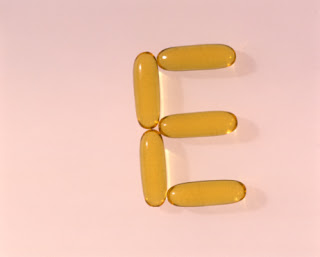
Vitamin E

Needs
RDA for vitamin E is 10 mg per day for men and 8 mg per day for women.

Vitamin E main sources
Vitamin E is widely available in vegetable and seed oils, which can be found in the form of margarine, salad dressing, and shortening. Peanut oil and bran oil has the highest concentration of vitamin E. The next level is the corn oil and sunflower oil. One tablespoon of these sources contain more than the RDA of vitamin E. In contrast, animal fats such as butter and milk contain almost no vitamin E. This is because vitamin E can be easily damaged by heat, so it is better to get it from fresh foods.

Function
As well as vitamin C, Vitamin E is also an antioxidant. Vitamin E helps stabilize cell membranes, regulate and protect the oxidation of vitamin A. In its role as an antioxidant, vitamin E has a major effect on cells, such as red blood cells and white blood cells that pass through the lungs.


Symptoms of deficiency
When blood levels of vitamin E in a very low red blood cell can be split. This process is called hemolysis eritrodit and can be avoided with vitamin E. Vitamin E deficiency can result in nervous system and causes muscle weakness, difficulty walking and pain in the calf muscle.

Poisoned
Poisoning can occur if excessive consumption, but this does not happen as easily in vitamins A and D. Symptoms are headache, weakness, fatigue, dizziness and abnormal vision.

Vitamin K

Needs
Most sources of vitamin K in the body is synthesized by bacteria in the digestive system. Sources of vitamin K in foods are liver, green vegetables are leafy, cruciferous vegetables cabbage (cabbage) and milk.

Vitamin K main sources
Digestive systems of humans contains bacteria that can synthesize vitamin K, which is partially absorbed and stored in the liver. The body needs to get extra vitamin K from food.

Function
Vitamin K is an essential requirement for the synthesis of several proteins including the clotting of blood. Vitamin K is also needed for bone formation.

Symptoms of Deficiency
If vitamin K is not contained in the body, blood can not clot. It can cause hemorrhagic disease. However, vitamin K deficiency is rare: only a baby that is easy to experience it. This is because the digestive system of a newborn baby is sterile and does not contain bacteria that can synthesize vitamin K, breast milk contains only small amounts of vitamin K. For the infants were given a vitamin K at birth.

Poisoned
Vitamin K toxicity occurs only in people who receive a water-soluble vitamin K replacement. The symptoms are red blood cell hemolysis, jaundice and brain damage.

All About Vitamins