News Update :

Fruits & Benefits

Fat Soluble Vitamins

Health Foods

Showing posts with label Allergies. Show all posts

Rhinitis Allergy

About Rhinitis
Rhinitis is a medical term for irritation and inflammation of the mucous membrane inside the nose. Common symptoms of rhinitis are a stuffy nose, runny nose, and post-nasal drip.The most common kind of rhinitis is allergic rhinitis,which is usually triggered by airborne allergens such as pollen and dander.Allergic rhinitis may cause additional symptoms, such as sneezing and nasal itching, coughing, headache, fatigue, malaise, and cognitive impairment.The allergens may also affect the eyes, causing watery, reddened or itchy eyes and puffiness around the eyes. Rhinitis allergy is a common disease that can strike anyone, any age. This disease can be cured within a few years but for life and can also tends to be lowered.wikipedia


Rhinitis Allergy Sings and Symptoms
The nose is sometimes very susceptible to stimuli ranging from dust, pollen, cigarette smoke, perfume, hair and animal dander, certain foods and changes in the air. Allergic reactions occur in the form of inflammation and excessive discharge.

Allergic rhinitis is classified by:
1. Symptoms duration, allergic rhinitis is divided into:
- Intermittent: symptoms less than 4 days per week and duration less than 4 weeks
- Persistent: symptoms more than 4 days per week and duration more than 4 weeks

2. Based on the symptoms, allergic rhinitis is divided into:
- Mild (normal sleep, daily activities, sports and leisure as normal, no complaints are annoying)
- Weight (one or more symptoms, disturbed sleep, daily activities, sport and leisure while impaired, at work and school, there were complaints that disturb)

Rhinitis Allergy Treatment
  • Medical. Medical treatment depends on the length and severity of symptoms. Drug that commonly used is the antihistamines H1 generation I, generation II , and if there are symptoms of nasal congestion can be added pseudoephedrine
  • On persistent allergic rhinitis, antihistamines may be given generation II (cetirizine) long-term. If symptoms do not improve may be given corticosteroids or intranasal fluticasone for example mometason.
  • Surgery. Surgery is only performed in selective cases such as sinusitis with air-fluid level or rice septum deviation.
  • Avoid allergen

Soy Allergy

About Soy Allergy
Soy products are one of the common foods that can cause allergies in children. In many cases soy allergy starts with a reaction to a soy-based infant formula. Although most children who are allergic to soy at age 3, soy allergy may also occur in adults. In most cases the signs and symptoms of mild soy allergy. In rare cases, can cause life-threatening allergic to soy allergic reaction (anaphylaxis).


Soy Allergy Causes
Like that you can read at egg alergy, all food allergies are caused by the reaction of the immune system. The immune system identifies certain soy protein as a hazardous substance, which can trigger the production of antibody immunoglobulin E (IgE) against soy protein (allergen). When he came back to eat soy, IgE antibodies recognize it and give signals to the immune system to release histamine and other chemicals into the bloodstream.

Soy Allergy Signs and Symptoms
  • Tingling in the mouth
  • Itching, eczema
  • Swelling of the lips, face, tongue and throat, or other parts of the body
  • Wheezing, runny nose or difficulty breathing
  • Abdominal pain, diarrhea, nausea or vomiting
  • Dizziness, lightheadedness or fainting

The only way to prevent allergic reactions is to avoid soy and soy protein at all. Drugs, such as antihistamines, may reduce signs and symptoms of soy allergy. These drugs can consumed after developing allergies to soy or control the reaction and help relieve the discomfort caused by allergies.

Egg Allergy

About Egg Allergy
All food allergies are caused by the reaction of the immune system. The immune system identifies certain egg proteins as harmful substances, which can trigger the production of antibody immunoglobulin E (IgE) to neutralize the protein (allergen). When he came back to eat soy, IgE antibodies recognize it and give signals to the immune system to release histamine and other chemicals.

Egg allergy is one of the most common food allergy occurs mainly in children. As adults, most allergic to eggs will be lost, but a small part of this allergy will persist. Egg allergy symptoms are basically the same as the symptoms caused by other food allergies. Most people will experience only a mild reaction but can also show severe symptoms in some people who are very sensitive. Egg allergy symptoms the most common is the onset of eczema. Eczema is a skin problem that often occurs in children. Egg allergies can also cause itching. Reaction hives usually appear quickly and will disappear by itself after a few days.

Egg Allergy Causes
Causes of egg allergy associated with the human immune system. Eggs that consumed will be identified by the immune system as foreign things and makes an overreaction. The immune system release histamine and other chemicals to fight zan eggs that go into our bodies. Egg has two basic parts, namely, the egg yolks and whites of eggs. Which becomes the dominant factor is the risk of allergy triggers egg whites.

Egg Allergy Signs and Symptoms
Signs and symptoms of egg allergy is actually dependent on a person's immune system, there is rapid and there is a long time. Each person has vary egg allergy symptoms. These symptoms appeared after some minutes to several hours after eating eggs or foods containing eggs. Egg allergy symptoms include:
  • Skin inflammation
  • Shortness of breath.
  • Disorders of the digestive function.
  • Inflammation of the throat.
  • Watery eyes, runny nose.
Prevention
Because the eggs are very familiar with our daily lives. In fear of having an egg allergy does not understand how to prevent it. Here are some ways of preventing an egg allergy:
  • Avoid eating eggs, or foods containing eggs.
  • We recommend you read the kita buy food composition whether or not containing eggs.
  • Wait until your child is age 2 years, some research suggests this.
  • Should not eat eggs but the strict supervision by a physician.
  • Consumption of some vitamins as we know it was enough to help reduce the incidence of allergies such as Vitamin A, B, C, E.
  • Eggs are a good source of nutrition for the body, if the above instructions your doctor can not eat eggs, you should consult your doctor for an egg substitute foods nutritional value comparable to the egg.

Fish Allergy

Fish Allergy and How To Overcome

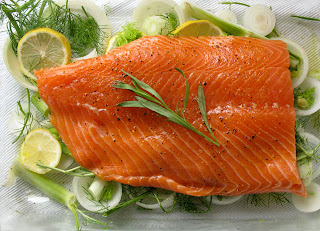
In addition to milk and eggs, fish including sources of food allergens. Mackerel, tuna, sardines, snapper until salmon is a species of fish that can cause allergies. Generally, they are already adult fish are more susceptible to allergies.

Allergy symptoms caused by the fish can be seen from the onset of rash redness, swelling in face or hands, abdominal bloating, nausea to asthma. Is a protein contained in fish or parvalbumin is a cause of allergies.

As a result, many people who prefer not to eat fish, but the content of vitamins A, B, E, Niacin, Omega 3 and minerals is very high. To replace it you can try peas, tempeh, tofu, meat and poultry.

Sometimes, without you realizing that you eat foods containing fish. As a result, any signs of allergy appear. If it happens, you do not need to panic. Know in advance whether mild or severe levels. If the light, you simply take an antihistamine drugs and compress the parts that rash with cold water.

If the stomach feels nauseous immediately drink lemon juice mixed with ginger. If the levels of the allergy is severe enough, immediately take it to the doctor for further treatment.

Allergic Reaction

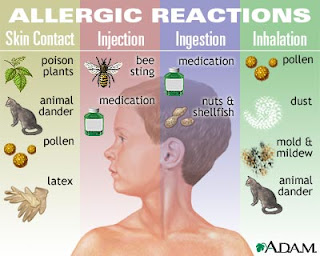
Allergy is defined as an excessive reaction of the body's natural defense system (immune system). Normally functioning immune system protects the body against viruses and bacteria by producing antibodies to fight them. In allergies, the immune system is also against normally harmless substances like dust mites, pollen or drugs and considers these substances were trying to attack the body. These reactions range from just a rash, itchy eyes, runny nose to difficulty breathing, nausea and diarrhea.

Allergic reactions usually occur during the first contact with an allergen (allergy causing substances). Example: the nut allergies, eating the first time will not cause allergic reactions because at that time just happened introduction of peanut allergens in the body. If you eat again for a second, then the body already knew him as an allergen and is producing antibodies that attack peanuts.

Some people have allergies and vary from mild to severe (may cause death). The majority of allergic reactions including mild-moderate category and home care can relieve some symptoms. Severe allergic reactions including anaphylactic reactions or are additional allergic reactions such as bleeding nose, ear problems, shortness of breath with wheezing and coughing.

Allergies often occur with other diseases such as asthma, ear infections, sinusitis and sleep apnea.

Some types of allergies:

Food allergies

More often occur in children. About 7 of every 100 children have allergies. Food allergies are usually more often arise from a family who also suffer from allergies with a family history of asthma and atopic dermatitis. On food allergy, the body's immune system is thought that certain foods are threatening the body and have prepared a series of resistance to cause allergic reactions of redness, itching, runny nose to stomach disorders. Food allergies occur when the child, the more likely it is lost. However, food allergies occur when the adult will be taken on.

Some foods can cause allergies (called allergens).

* Eggs, milk, peanuts, wheat, soy and fish are the foods that cause allergies in most of the children. Most of these food allergies trigger (except nuts and fish) will be lost at the age of 5 years.
* Nuts, fish and shellfish are the cause of allergies in most adults.

The doctor will ask you a history of allergies, symptoms and foods that cause allergies. Diagnosis of food allergy test will be done with the skin (skin test). Skin test works by placing a wide range of allergens in amounts slightly above the patient's skin. If the patient does have a skin allergy will provide appropriate degrees of severity of an allergic reaction to allergies.

Therapy

* Never eat food allergen labeling. So that accuracy in view the composition of the diet is very helpful, including understanding food allergen derivatives. Examples: milk may not be written as milk, but as casein, wheat gluten as.
* If the child is still in the breastfeeding period, it will be very important breast-feeding mothers also do not eat food allergens as a fraction of the food eaten by the mother to be transferred to children through breast milk.
* Some anti-histamine or anti-allergy can help reduce mild to moderate allergy symptoms. Some anti-histamine can be obtained as an over the counter (OTC) drug alias-free. In some countries there is an allergy kit that contain epinephrine and antihistamines.


Children with food allergies

* Food allergies in children should also be communicated to the schools or other institutions that care for children (daycare, etc.). Let me know also what they should do if suddenly your child is allergic to arise.
* Some children, food can be tried again a year later to see if the allergy is gone or not. Some allergy occur within a short time and can be tolerated after the age of 3? 4 years.

Cosmos allergy protection

Allergies can not be prevented but its presence can be delayed in infants by following a few recommendations below:

* Give breastfed until at least age 6 months
* Do not give solid foods until the child is 6 months old
* Avoid giving children cow's milk, wheat, eggs, nuts and fish in the first year.

Drug allergy

Drugs both OTC and prescription medications can cause allergic with very varied symptoms.

Insect sting allergy

When stung by a bee, insect venom into the skin so it will go normal if there is swelling, redness, pain and itching at the site of the sting. Allergic reactions occur when the body over-reacts to the insect venom.

Season allergy

These allergies occur in certain seasons due to exposure to pollen from trees, flowers.

All About Vitamins