News Update :

Fruits & Benefits

Fat Soluble Vitamins

Health Foods

Showing posts with label Cholesterol. Show all posts

Get To Know The Type Of Cholesterol

Cholesterol is one risk factor for cardiovascular disease. High cholesterol levels will lead to the accumulation of fat or plaque in the arteries that block blood flow. Is cholesterol, always bad? Of course not, cholesterol is made ​​up of several forms, ranging from good cholesterol to bad cholesterol. The following description is to get to know the types of cholesterol:


1. Chylomicrons
Chylomicrons derived from the fats we eat. Because fat is not well absorbed in their natural state, then the fats will be converted into a substance can be absorbed by the iron. When the fat through the stomach into the small intestine, enzymes from the pancreatic juices and fluids from the liver and bladder creating chylomicrons (which is mostly composed of triglycerides) by rearranging the molecules of fat and improve digestion. Furthermore, lipase enzyme will break down chylomicrons into fatty acids that can be used as energy or stored in fat cells.

2. HDL cholesterol (high-density lipoprotein)
There are two main forms of HDL, namely HDL 2 and HDL 3. The second form of good cholesterol works to protect you from cardiovascular disease. Both of these types of HDL cholesterol is usually calculated simultaneously as the HLD.

HDL cholesterol in the bloodstream move and suck up the bad cholesterol (such as biological vacuum cleaner). HLD will bring the candles cholesterol from fatty deposits in arteries pebuluh, for further broken down in the liver. The higher your HDL, the better the cleaning. This process will reduce the risk of heart disease and blood vessels. The point, the higher your HDL, the better.

3. Cholesterol, VLDL (very low density lipoprotein)
Just as chylomicrons, VLDL cholesterol is mostly composed of triglycerides. VLDL can be formed by splitting or chylomicrons produced by the liver. Furthermore, triglyceride-rich particles can be transported throughout the body to use as energy or stored in the thighs, hips, buttocks, and other storage places. Although high levels of VLDL is associated with coronary heart disease, but this type of cholesterol does not cause severe damage to LDL cholesterol. When the rate of VLDL (or chylomicron) increases, the triglyceride levels will increase good HDL cholesterol levels were decreased.

4. LDL cholesterol
LDL cholesterol is known as bad cholesterol. Cholesterol is a major risk factor for cardiovascular disease because it inhibits the arteries. For those of you that do not have heart disease, it helps reduce cholesterol levels up to 110 mg / dl. Cholesterol levels can help you avoid heart disease. However, if you suffer from coronary heart disease, you are advised to lower LDL to below 100 mg / dl. At this level, cholesterol plaque from rupture, and the arteries free of obstacles. The point, the lower your LDL level is the better

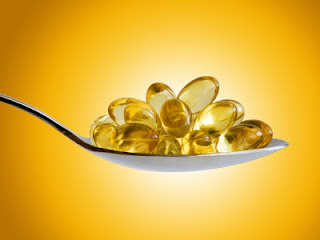
Supplements For Lowering Cholesterol

In the age almost instantaneous, the use of supplements is one practical way that has been chosen. Includes your choice to use a supplement to your cholesterol moves to a smaller number.


In addition to diet and exercise you can do, about whether the most appropriate supplement? Because so many of you can find diet supplements on the market that claim to lower cholesterol. However, most of these claims are not supported by scientific studies. Although not a perfect way, scientific studies are the best way to differentiate the effectiveness of a supplement.

To help you find the right choice supplements, here are some facts about cholesterol-lowering supplements based on scientific studies

1. Artichoke leaf extract
Very few studies looking at effects of artichoke leaf extract with cholesterol. In addition, the findings also vary. A study conducted in 2000 found that those who have total cholesterol in the range has decreased the amount of harmful LDL cholesterol by 23% after using the supplements for 6 weeks artichoke. However, recent studies with similar methods found no measurable effect, either on levels of LDL and HDL cholesterol.

The point, it still needed more evidence to prove the effect of artichoke in lowering cholesterol levels. You should not rely on artichoke supplements in lowering cholesterol levels.

2. Flour or fenugreek seeds (fenugreek)
Several studies conducted in the 1990s found that consumption of high doses of fenugreek seeds can lower total cholesterol and LDL cholesterol. One study even found a decrease of 38%. However, all these studies only a small study.

The point, though a little orange-yellow fruit and is often used as a spice in curries is declared effective in lowering cholesterol, that would still need additional evidence.

3. Soluble fiber
Review the results of a study conducted at Harvard Medical School found that every gram of soluble fiber you eat can lower LDL cholesterol by 2 points. However, it is rather difficult to determine the amount of fiber needed to lower cholesterol levels significantly. Three bowls of oatmeal a day contains only 3 grams of soluble fiber. Moderate use of fiber supplements can cause gastrointestinal effects in the form.

The point, a diet rich in soluble fiber can lower LDL levels, but also accompanied by side effects were.

4. Fish oil
Based on the results of clinical trials, the combination of omega-3, EPA, and DPA was shown to lower triglyceride levels by 10-30% when consumed in relatively high doses (3 grams or more). However, these supplements do not reduce levels of bad LDL cholesterol, and even tend to slightly raise LDL levels.

The point, fish oil can reduce levels of trigiserida (associated with an increased risk of heart disease). However, in most people reduce LDL is usually more important.

5. Garlic
Federal Agency for Healthcare Research and Quality in 2000 reported that the use of garlic (extract, oil or pills) shown to lower LDL and total cholesterol levels, but only temporarily (3 months). In 2007 another study was published in the Archives of Internal Medicine found that the consumption of raw garlic or garlic supplements for 6 months did not produce a measurable effect either on total cholesterol, LDL, HDL, and triglyceride levels.

The point, although the garlic can lower LDL levels for a while, its effect on cholesterol levels is still questionable.

6. Ginseng
Several studies have found that ginseng has a positive effect on cholesterol. However, all these studies are small studies.

The point, although small studies can not be ignored completely, but still not enough evidence to support the use of ginseng in lowering cholesterol levels.

7 Best Foods To Lower Bad Cholesterol

High cholesterol levels in the blood may be a risk factor for heart disease and blood vessels. Most causes of high cholesterol is from food, but certain foods can actually lower it.

Most cholesterol can lead to various diseases when cholesterol becomes bad. Someone had normal cholesterol levels if the size is 160-200 mg, while the incoming hazardous condition if it is above 240 mg because it can cause a stroke.


Here are some of the best foods to lower bad cholesterol:

1. Wheat
Wheat is known as cholesterol-lowering diet. Two servings of oats can lower LDL (bad cholesterol) by 5.3 percent in just 6 weeks. Basically wheat contains a substance called beta-glucan that can absorb the bad cholesterol.

2. Salmon
Salmon contains omega-3 fatty acids that help maintain heart conditions remain good and keep the risk of heart attack, high cholesterol, stroke, and increase good cholesterol by 4 percent.

3. Nuts
Nuts are a great way to get healthy fats that your body needs without feeling guilty. Because the fat comes from nuts that are natural and not chemically processed, can make heart-healthy, filling and nutritious choices.

4. Tea
Tea has antioxidants and lower caffeine than coffee. A cup of coffee contains about 135 mg of caffeine, while tea contains only 30 to 40 mg per cup. Tea helps in protecting the bone due to the presence of phytochemicals in it. It is also a major defense against LDL cholesterol.

5. Spinach
Spinach contains 13 flavonoid compounds that detracts from the risk of cancer, heart disease and osteoporosis.

6. Olive oil
Olive oil has many health benefits. This oil contains monounsaturated fatty acids that lower bad cholesterol and triglycerides without lowering good cholesterol.

7. Pomegranate (pomegranate)
Pomegranate is a super antioxidant that helps guard the body against free radical damage due to metabolic and environmental factors. According to the book Cholesterol Cures, pomegranate juice may slow the process of oxidation of LDL cholesterol (Low Density Lipoprotein or bad cholesterol) by 40 percent, thus lowering the buildup in the blood and arteries. Pomegranate is also rich in polyphenols, flavonoids are present as common as cholesterol reducers found in green tea.

All About Vitamins