News Update :

Fruits & Benefits

Fat Soluble Vitamins

Health Foods

Showing posts with label Foods. Show all posts

Foods That Trigger Constipation

Constipation is a disorder of the digestive system in which an experienced hardening of stools or excessive stool making it difficult to be disposed of or removed and can cause great pain to the sufferer.

Many things that trigger constipation, among others, lack of body fluids or dehydration, stress or depression and dense enough activity, the influence of hormones in the body (such as menstruation), anatomical abnormalities of the digestive system, and lifestyle and diet that less regular (such as poor diet).


Food has become one of the biggest triggers of constipation. There are some popular foods you should avoid if you want a lot of constipation:

1. Processed foods
Frozen foods, burger or pizza can make the morning you will be hard for a bowel obstruction. When food is preserved, depleted of essential nutrients will be lost, plus the materials used such as flour or Maida is used almost in all the pizza, bread and noodles.

2. Red meat
Eating red meat such as beef or pork on a regular basis, without balanced with vegetables, you may experience constipation. Get used to eat red meat accompanied by a salad, cooked vegetables, whole grain cereal or something that is rich in fiber.

3. Caffeine
Caffeinated beverages such as coffee, tea or cola can make the body hydrated and dehydration is one of the main causes of constipation.

4. Fried foods
Fried foods contain much oil and salt has some risk for digestive health, one of which slow down the digestive process

5 Food To Expel Toxins in Body

Our bodies are not just able to absorb nutrients either from foods or beverages consumed, but can also respond to bad things like poison. In the event that there are known to detoxify. A metabolic process that reduces the levels of toxins in the body through urine and feces spending.


To maximize the process, there was a wide variety of foods that can expel toxin in the body:

1. Strawberries
mengoda red fruit has an abundance of vitamin C that can counteract free radicals. Other things, the fruit with the Latin name Fragaria X Ananassa Familia also has a compound that can help avoid digestive system of toxins.

2. Asparagus
This vegetable is a rich source of glutathione, a detoxifying compound that helps break down carcinogens and other hazardous compounds such as free radicals. Asparagus consumption may help protect against some cancers, such as bone cancer, breast, colon, and lung cancer.

3. Apricots
is a type of fruit is low in calories and loaded with beta-carotene. No wonder the apricot (Prunus Armeniaca) is anti-aging, boost immunity, and helps remove toxins from the body.

4. Rhubab
These vegetables are only found in large supermarkets. Rhubab contain the insulin prebiotic which is to keep the gut healthy. Another thing that can be found from rhubab, this vegetable can also be a natural laxative without causing side effects.

5. Broccoli
Green vegetables contain isothiocyanates that play a role in the detoxification process. Menghilangakan broccoli works by free radicals, keeping cells healthy, clean the lenders, and maintain healthy digestive system as a whole.

Foods That Can Help Burn Fat While Sleeping

Who says when you sleep, you can not burn fat? When you eat certain foods before bed, then the nutrient content can help the body to burn fat while sleeping. Foods that can help burn fat while sleeping usually contain low-calorie but very nutritious. Not only is consumed before bed, fat burning foods can also be consumed throughout the day to get more benefits.


Here are some foods that can help burn fat while sleeping:

1. Orange
Oranges contain fiber and vitamin C. Fat-burning Vitamin C can stimulate the body's ability to burn fat found in the amino acid carnitine. Vitamin C also plays a role in the ability to process body fat, thinning of the fat by speeding up the process and then dispose of the body.

Not only oranges, some fruits, that contain citrus can also help you burn fat while sleeping, such as guava, lemon, tangerine, papaya and tomato.

2. Vegetables
Vegetables provide vegetable proteins, that take longer to be digested by the body so it can burn more calories. Eating a bowl of soup or salad for dinner can help you burn calories during the hours of sleep a night. Legumes such as lentils, peas, beans can also burn more calories.

3. Dairy products
Drinking milk products before bed can also help you burn fat while sleeping. Milk can lose weight by helping in the breakdown of fat cells, because they contain lots of calcium.

In addition, milk is also a source carbohydrate complex, that helps keep insulin levels remain low. Low insulin levels will increase your metabolism and burn more calories.

4. Whole wheat
Whole wheat contains fat burning nutrients to keep insulin levels low, according to the New York Daily News. Whole wheat provides an excellent source of complex carbohydrates and fiber, that is very useful in stimulating the metabolism. Not only whole grains, brown rice and barley are also effective for burning fat while you're sleeping.

7 Best Foods To Lower Bad Cholesterol

High cholesterol levels in the blood may be a risk factor for heart disease and blood vessels. Most causes of high cholesterol is from food, but certain foods can actually lower it.

Most cholesterol can lead to various diseases when cholesterol becomes bad. Someone had normal cholesterol levels if the size is 160-200 mg, while the incoming hazardous condition if it is above 240 mg because it can cause a stroke.


Here are some of the best foods to lower bad cholesterol:

1. Wheat
Wheat is known as cholesterol-lowering diet. Two servings of oats can lower LDL (bad cholesterol) by 5.3 percent in just 6 weeks. Basically wheat contains a substance called beta-glucan that can absorb the bad cholesterol.

2. Salmon
Salmon contains omega-3 fatty acids that help maintain heart conditions remain good and keep the risk of heart attack, high cholesterol, stroke, and increase good cholesterol by 4 percent.

3. Nuts
Nuts are a great way to get healthy fats that your body needs without feeling guilty. Because the fat comes from nuts that are natural and not chemically processed, can make heart-healthy, filling and nutritious choices.

4. Tea
Tea has antioxidants and lower caffeine than coffee. A cup of coffee contains about 135 mg of caffeine, while tea contains only 30 to 40 mg per cup. Tea helps in protecting the bone due to the presence of phytochemicals in it. It is also a major defense against LDL cholesterol.

5. Spinach
Spinach contains 13 flavonoid compounds that detracts from the risk of cancer, heart disease and osteoporosis.

6. Olive oil
Olive oil has many health benefits. This oil contains monounsaturated fatty acids that lower bad cholesterol and triglycerides without lowering good cholesterol.

7. Pomegranate (pomegranate)
Pomegranate is a super antioxidant that helps guard the body against free radical damage due to metabolic and environmental factors. According to the book Cholesterol Cures, pomegranate juice may slow the process of oxidation of LDL cholesterol (Low Density Lipoprotein or bad cholesterol) by 40 percent, thus lowering the buildup in the blood and arteries. Pomegranate is also rich in polyphenols, flavonoids are present as common as cholesterol reducers found in green tea.

5 Super Food That Help To Fulfill The Children Nutritions

Children need nutritious food and have an intake of substances necessary for growth and development. The diet of children everyday must contain essential fatty acids, vitamins, minerals, lean protein, and iron.


Here are five super foods that can help you fulfill nutritional needs of children:

1. Blueberries
Blueberries can be eaten as a dessert after a meal and can also be eaten as a snack even on the way. This fruit contains many antioxidants that are good for warding off cancer and other diseases. Taste that delicious blueberries would be favored by your children.

2. Sweet potato
Sweet potatoes are a versatile tubers that can be processed into various types of food. Sweet potatoes also contain fiber with beta carotene, vitamin E, vitamin B6, potassium, and iron.

3. Peanut butter
Most children who are not allergic to nuts like the taste of peanut butter in their bread. But most peanut butter sold in the market using a process of hydrogenation of oils that are less good. Therefore, you should look like the natural peanut butter made ​​from almonds, cashews and soy protein-rich.

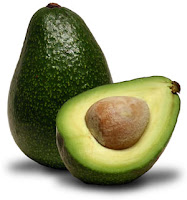
4. Avocado
Avocado is a source of "good fats" called monounsaturated fats. Most of the unsaturated fats found in fish and nuts. Monounsaturated fats are good for the development of appropriate growth. So the avocado into food that is perfect for children.

5. Broccoli
Maybe it's rather difficult to give broccoli as your child's meals. You can mix the broccoli into food that children so that children get used to and familiar with it. Broccoli contains vitamin E and many minerals that can prevent cell damage and help sharpen your children's eyesight.

9 Benefits of Oatmeal

Lately, many medical practitioners and nutritionists encourage patients with diabetes and heart to eat oatmeal, mainly because of his usefulness in helping to keep cholesterol and blood sugar levels remain normal. In addition to high fiber content, oatmeal also provides magnesium, protein, phosphorus and vitamin B1 (thiamin), which plays an important role in producing energy.


To find out what the wider health benefits you can get from oatmeal, here are the explanation:

1. lowering cholesterol
Oatmeal is a source of soluble fiber-rich foods, which are also found in apples, pears and prunes. Soluble fiber can inhibit the body's absorption of LDL cholesterol, commonly known as bad cholesterol. One and a half cups of oatmeal contains more than five grams of fiber, which is enough to reduce your cholesterol level.

2. Reduce the risk of hypertension
High in fiber in oatmeal not only offers health benefits to the heart, but also a reduced risk of high blood pressure. A the Review for menopausal women, who tend to be at risk of hypertension, should eat at least six servings of oatmeal or other whole grains each week. Studies show that men can reduce the risk of heart failure if they eat a bowl of whole grain cereal or oatmeal, per day.

3. high in antioxidants
Oatmeal contains a special type of antioxidant called avenanthramide. Antioxidants to fight free radicals that attack known as HDL or good cholesterol. In addition, these compounds also protect the bad cholesterol (LDL) from oxidation, which reduces the risk of cardiovascular disease.

4. Prevent hardening of the arteries
Avenanthramides not only protects against heart disease, but these antioxidant compounds are also able to prevent arteries from hardening. Avenanthramides works by suppressing the production of molecules that makes it possible to prevent hardening of the arteries. Research has shown that postmenopausal women who ate six servings of whole grains per week can reduce the risk of developing atherosclerosis.

Ateroskleorosis is a condition in which plaque buildup along the halls of the blood vessels and slow the progression of stenosis, which led to the halls of narrowed arteries. Oatmeal for cardiovascular health benefits will be greater when paired with vitamin C.

5. Prevent the development of breast cancer
Research has shown that women who consume high amounts of fiber have a decreased risk of breast cancer, especially if it comes from corn fiber. Insoluble fiber in whole grains will attack the carcinogens and reduce levels of estrogen in the body, thus protecting the body from cancer development. A UK study found that premenopausal women have a reduced risk of breast cancer by 41 percent just by eating fiber from whole grains or whole grains.

6. Prevent the development of diabetes
In addition to fiber, oatmeal is a source of magnesium, which is able to regulate insulin and glucose levels. Various findings have shown that, for eight years, women who eat a diet rich in cereals may reduce the risk of diabetes by 31 percent. To get optimum benefit, you can add milk to the oatmeal. The addition of low-fat milk may also reduce the risk of diabetes.

7. Boost the immune system
Oatmeal contains some type of fiber called beta-gluten fiber. These fibers are able to protect you against heart disease and also raise the immune system. This helps to immune cells in the search and repair areas on the body fighting an infection of bacteria.

8. prevent obesity
Eating food not to get a heavy sound like the kind of diet is perfect, right? Because oatmeal is very rich in fiber, it will keep you fuller for a longer period of time. Fiber will increase the viscosity of the contents of the stomach so that it will take longer to empty. Feel full for a longer period of time will also prevent the need for sweet or salty snack foods throughout the day. Research has linked a lower risk of obesity in children who regularly eat oatmeal.

9. Can be consumed for celiac patients
Adults and children who suffer from celiac disease can not eat gluten generally (a compound found in wheat protein), but research shows that even though they could eat oatmeal contains less gluten. Celiac is a syndrome in which malabsoprsi intestine unable to absorb nutrients from food.

Foods thats Not Allow Store in Refrigerator

The best way to make a dish of vegetables is to cook it while fresh. Thus, we were accustomed to insert all kinds of vegetables into the refrigerator immediately After buying it. However, not all vegetables can remain fresh while stored in the refrigerator. What food are they?


a. Tomatoes
Tomatoes are not the fruit, but vegetables that are actually considered better in hot than cold temperatures. It can you know when you grow your own tomatoes. Fridge is not the ideal place to store tomatoes. Could even make it mealy and not be eaten raw. Keep on the table that are not exposed to direct sunlight.

b. Basil
Just like tomatoes, basil is also not good when stored in cold temperatures. Store it in the refrigerator too long will cause wilt prematurely. Basil will stay fresh when stored in a table with room temperature.

c. Potato
Potatoes prefer cool temperatures, but not cold. These vegetables will be fresh when stored at temperatures of about 10 degrees warmer than the average temperature of the refrigerator. Store in a paper bag and put it in a cool place. Why paper? This will make the potatoes to breathe, while plastic to make potatoes rot more easily. Storing potatoes in cold temperatures will convert the starch to sugar more quickly, which can affect the taste and texture.

d. Onion
To keep the onion skin is dry, store in a dry room like a kitchen that is not damp like a refrigerator. Lack of air circulation in the refrigerator will also lead to damaged onions.

e. Avocado
Avocados will not mature until after they are picked from the tree. If you buy avocados, do not store it in the refrigerator because it slows the ripening process. On the other hand, when perfectly ripe avocado and you are not ready to use, store it in the refrigerator can delay it to rot.

Foods that Can Help You To Be More Focused.


Many have know that the cognitive decline begins at age 60. But a study published in the British Medical Journal, states that the form of reduced cognitive decline in working memory and reasoning, began to affect the age of 45 years. To avoid early cognitive impairment, the following types of foods that can help you to be more focused.

Nutritious Foods

Nuttitious foods is a necessity that is essential for life because of human foods to find sources of energy or strength to perform daily activities. Therefore it is necessary to note the type and quality of food consumed, namely:

    * High fiber
    * Low fat
    * Contains balanced nutrition
What Is High Fiber Foods?

High fiber foods are foods that contain fiber and derived from plants like vegetables, fruits, grains, beans, and others.

Why We Need Fiber?

Fiber in foods is found in wheat grains, millet, and corn easy filling, so we feel has a lot of eating when we eat less of these foods.

In addition, the fibers were also found in fruits and vegetables that make the body teratrur bowel movement and can help lower heart disease risk because it slows the absorption of fat and cholesterol than other foods.

Fiber consists of two types, both important for the health of the body are:

    * Soluble fiber contained in a lot of nuts, fruits, and whole grains, like wheat and rice. These fibers are called helper type found in the heart because it can help lower cholesterol levels. Referred to as soluble fibers dissolve in water and form a gel. In theory, because this fat soluble, it forms gel-like material that binds cholesterol and fat and prevent absorbed by the intestine, so that if the material is not absorbed, it will be removed along with dirt.
    * In contrast, insoluble fiber, found in vegetables, cereals, and wheat grains, does not form gels. Its main benefit is to make us regularly defecating. Although less effective in escaping lemakdan cholesterol absorption into the bloodstream, this fiber is useful for increasing the mass and speed of travel Bahn-material in the gut.

If we want to set a good diet aaupun want to start a diet then we should apply a high-fiber diet by eating whole grains, wheat, and should be the foundation of the diet, serving between six to 11 servings each day:

    * A serving of grain is one slice of bread (if setangkap calculated two servings of bread), a half cup of cooked rice or pasta. to get more fiber and nutrients better, choose a wheat or rice is complete (meaning that no arinya skin removed), rice squeeze a better job than a white, full grain bread instead of white wheat bread. Bulgur (red beans) and a good choice of cereals as well.
    * Vegetables should amount to three to five portions / servings per day, with the size of one serving equals one cup of fresh or half cup cooked vegetables. Vegetables should be eaten fresh or steamed, for if boiled tend to dissolve the vitamins and minerals. The more color (green, yellow, and orange) more and more za contained nutrients such as carrots, green lettuce, long beans.
    * Fruits should be eaten four days. Each time to eat half a bowl of sliced fruit, one glass of fruit juice or one medium-size apple. Eat a variety of fruit because it will enrich the variety of nutrients contained in fruits, like apples, oranges, guavas, pears, papaya and mango.

Twelve Benefits of Fiber

   1. Help overcome diabetes
   2. Prevents constipation
   3. Helps you lose weight
   4. Assist the detoxification process
   5. Making youth
   6. Helps prevent colon cancer
   7. Helps prevent breast cancer
   8. Helps lower cholesterol
   9. Beautify the skin, hair and nails
  10. Helping to overcome anemia
  11. Prevent appendicitis
  12. Assisting the development of good bacteria in the gut.

What Is a Low-Fat Food?

Are foods that are low fat and low in calories but also contains the main ingredients remain masaih for body health such as protein, calcium, and others.

We are encouraged to eat as little fat as possible. For example, if we consume around 2500 calories every day, then the fat intake which allowed only 69 grams or less.

Actually there are various types of low-fat foods can we eat that is by changing the way the cooking of fried food to be baked or steamed fish (grilled / broiled fish, roast beef / soup, satay or without added cooking oil).

What Is a Balanced Nutritious Food?

Diverse foods are consumed in one day mengandunmg energy substances, builder substances, and substances in accordance with regulatory body requirements.

Substance energy from carbohydrates and fats. Sources of carbohydrates: rice, sago, corn, yams, cassava, bread, breadfruit, sugar, pure, and its equivalent.

Builders of protein substances. Source of animal protein: meat, fish, chicken, liver, eggs, milk and processed products. Vegetable protein sources: tempeh, tofu, nuts and counterpart.

Regulator of vitamins and minerals. Source of many vitamins and minerals in vegetables and fruits.

What result do not get balanced nutrition?

In addition to malnutrition and malnutrition, the nutrition is more of a thing that often happens to people at risk are those who are not living a healthy life.

Overweight is a food consumption exceeds the requirements. Especially fat and sugar foods from pure. More nutrients may result in obesity (obesity).

Therefore, for those who have risk factors, immediately reduce the types of food:

    * Contains a lot of saturated fat and salt such as cassava chips, potato chips, pop corn, etc.
    * Based oils and fats such as butter, cooking oil, etc.
    * Such as sugar-based syrup, slei, etc.
    * Drink less healthy such as coffee, tea, alcohol and soft drinks.

All About Vitamins